The Fascinating World of Mahjong: A Deep Dive into Strategy and Culture
Mahjong, an ancient game rooted deep in Chinese culture, has captivated players worldwide with its intricate strategy and engaging gameplay. Not just a simple pastime, Mahjong represents a rich tapestry of tradition and challenge. It's a game that demands skill, strategic thinking, and a touch of luck, which makes it intriguing and, at times, deeply competitive.
Understanding the Basics of Mahjong
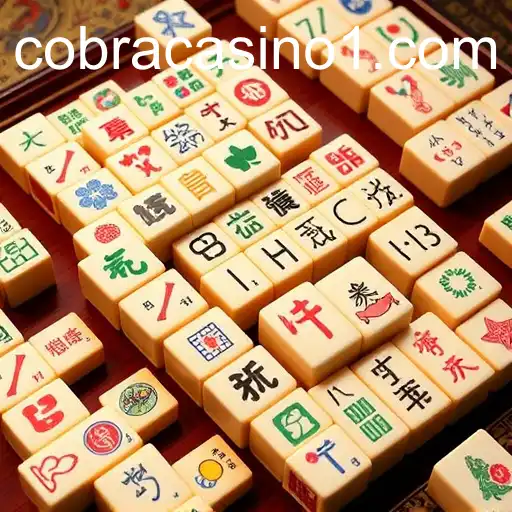
At its heart, Mahjong is a game of four players, played with a set of 144 tiles based on Chinese characters and symbols. The objective is to build complete suits, usually identified as 'melds', similar to the card game Rummy, and ultimately achieve 'Mahjong', a hand consisting of four melds and a pair. Despite its simple premise, the depth of strategy involved in deciding which tiles to keep and which to discard can be immense.
The Structure of the Mahjong Set
A standard Mahjong set includes three suits: Bamboos, Characters, and Circles, each ranging from one to nine. Additionally, there are four Wind tiles (East, South, West, and North) and three Dragon tiles (Red, Green, and White). Some variations use additional flowers and seasons tiles to add an extra layer of complexity and scoring opportunity. The beauty of Mahjong lies in how these tiles are used, offering a myriad of possibilities and strategies.
The Strategy Inherent in Mahjong
Playing Mahjong isn't just about the luck of the draw; it requires critical strategic decisions. A player must constantly calculate odds, infer other players' strategies through their discards, and decide the most effective path to 'Mahjong'. An essential strategy involves not just working towards winning but preventing others from winning as well, adding an intense competitive edge to the game.
Reading Opponents: The Key to Success
Mahjong is also a game of psychology, where reading your opponents can be as crucial as managing your tiles. By paying attention to what tiles others discard or pick, a player can infer the desired tiles of their opponents, adjusting their strategy accordingly to block their paths and increase their own chances of victory.
Diverse Styles and Regional Variations
While the core gameplay of Mahjong remains consistent, numerous regional variations have evolved, each with unique rules and tile sets. For example, Hong Kong Mahjong is often played with a basic scoring system, making it accessible to casual players. In contrast, Japanese Riichi Mahjong includes intricate scoring and a variety of winning hands known as 'yaku', heavily influencing game strategy and popular culture in Japan, including video games like ANGERPG1 and anime.
Embracing Mahjong in the Digital Age
The advent of digital platforms has broadened the game's reach, making it possible for players around the world to compete without physical sets. Online platforms offer opportunities to practice and master different variations, compete in international tournaments, and become part of the global Mahjong community. The digital age has also given rise to numerous Mahjong-based games like ANGERPG1, introducing the game to newer, younger audiences through exciting, interactive formats.
The Cultural Significance of Mahjong
Beyond its strategic allure, Mahjong holds a deep cultural significance, particularly in East Asia. It's a staple in gatherings, celebrating strategic prowess and social interaction. In countries like China and Taiwan, Mahjong is played during family gatherings, holidays, and celebrations, as it embodies deeper cultural values of patience, strategy, and social harmony.
The game's rich history can be traced back to the Qing Dynasty, evolving through the years not just as a leisurely pursuit but as a reflection of cultural ethos. The respect for tradition coupled with the excitement of competition continues to enshrine Mahjong in the hearts of many, making it more than just a game.
Mahjong as a Social Convenor
As a form of social interaction, Mahjong transcends language barriers and geography. It brings together people from diverse backgrounds, fostering cooperative play and respect for cultural heritage. Whether played in small local clubs or massive online communities, the game bridges cultural divides and creates friendships through its shared enjoyment.